
A new study has revealed alarmingly high levels of depression, suicidal thoughts and substance use among young women living in Kampala’s urban slums, exposing what researchers describe as a largely hidden public health crisis.
The study, conducted under the TOPOWA Project and published in the journal BMC Public Health, assessed the mental health of 300 young women aged 18 to 24 from the informal settlements of Banda, Bwaise and Makindye.
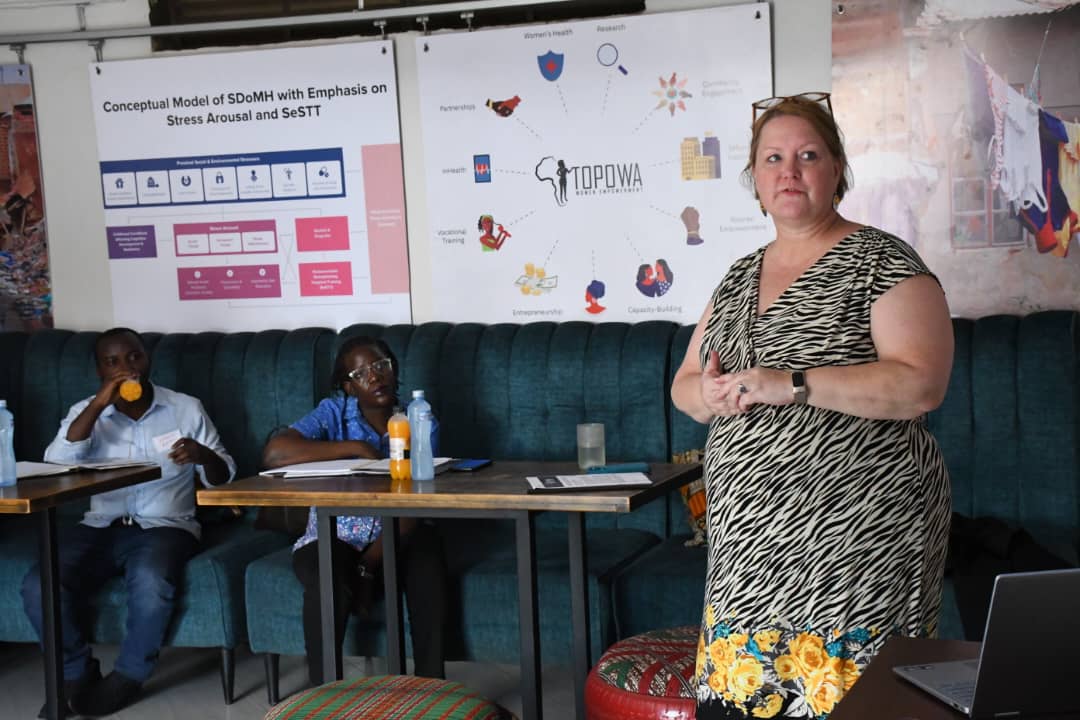
The findings were unveiled last week during a press conference held at the INTEGHRAL Hub in Bugolobi.
Researchers found that nearly three in four participants, 74 percent, reported experiencing at least one mental health challenge.
Depression was the most prevalent condition, affecting 58 percent of the young women, followed by suicidality at 46 percent and anxiety at 35 percent.
More concerning, the study found that over 45 percent of the participants were living with two or more mental health conditions at the same time, a phenomenon known as comorbidity, which significantly increases the risk of harm and poor health outcomes.
Substance use was also common among the respondents. Alcohol use was reported by 28 percent of the young women, while 11 percent admitted to drug use.
The researchers noted that both alcohol and drug use were strongly associated with worse mental health outcomes, particularly among those experiencing multiple conditions.
“These findings reveal a serious and often invisible public health crisis,” said Dr Monica Swahn, the Principal Investigator of the TOPOWA Project.
“Young women in Kampala’s slums face overlapping challenges such as poverty, violence, mental illness and substance use that cannot be addressed in isolation. Integrated mental health support is urgently needed.”
According to the research team, the levels of depression and suicidal thoughts identified in the study are significantly higher than national estimates and findings from previous studies conducted in Uganda and neighbouring countries.
They attribute this to the harsh living conditions in informal settlements, including poverty, food insecurity, overcrowding, exposure to violence and limited access to affordable mental health services.
Dr Swahn noted that young adulthood, particularly between the ages of 18 and 24, is a highly vulnerable period for mental health challenges. She said many mental health problems tend to emerge during this stage of life, making early intervention critical.
The TOPOWA Project, which means “don’t give up” in Luganda, is a five-year cohort study examining the links between mental health, substance use, violence and economic empowerment among young women living in poverty.
The project is implemented in partnership with Uganda Youth Development Link, Makerere University College of Health Sciences and Virginia Commonwealth University, with funding from the United States National Institute of Mental Health.
As part of the study design, 150 participants received a three-month vocational training and psychosocial support programme at Uganda Youth Development Link centres, while another 150 women from the same communities did not receive the intervention.
The participants are being followed for nearly three years to assess changes in mental health outcomes over time.
Dr Swahn said the central aim of the project is to determine whether vocational training, business skills and economic empowerment can lead to sustained improvements in mental health among young women living in poverty.
The vocational training focuses largely on cosmetology-related skills such as hair braiding, makeup, manicures and massage, and is combined with psychosocial support and basic entrepreneurship training, including money management and self-care.
Baseline findings collected before the intervention began show a strong association between mental health problems and substance use.
Depression combined with alcohol use was the most common pattern observed, while young women experiencing both mental illness and drug use were three times more likely to report dissatisfaction with their mental health.
The researchers say the findings point to significant gaps in Uganda’s mental health care system, particularly for young women living in informal settlements, despite recent national policy efforts to improve mental health services.
“This study provides Uganda with critical data to support more targeted, gender-responsive mental health programming,” Dr Swahn said.
“It underscores the need for community-based and scalable interventions, especially for the most vulnerable young women.”
The research team will continue tracking the participants to evaluate the long-term impact of vocational training and psychosocial support.
They say the evidence generated will help guide policymakers, local governments, non-governmental organisations and health practitioners in designing effective interventions to reduce the mental health burden among young women in Kampala’s urban slums.
Source: Nile Post
Leave a Reply