
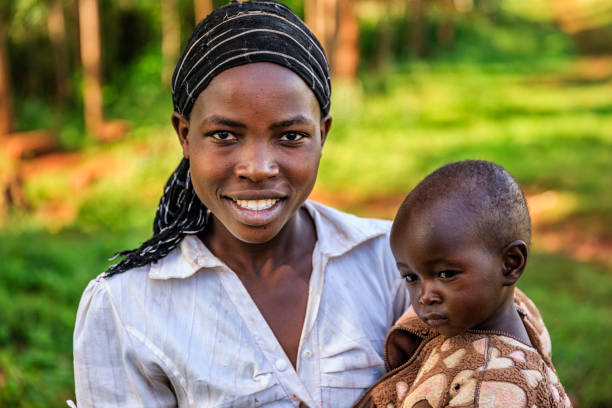
Majorities say schools should teach sex education and schoolgirls who get pregnant should be allowed to continue their education.
Kenya has taken significant steps to promote sexual and reproductive health and rights (SRHR). Article 43(1) of the Constitution guarantees the right to the highest attainable standard of health, including reproductive health, while the National Reproductive Health Policy (2022-2032) aims to ensure universal access to quality reproductive health services (Government of Kenya, 2010, 2022). The 2015 National Adolescent Sexual and Reproductive Health Policy focuses on improving the sexual and reproductive health status of 10- to 19- year-olds by enhancing sexuality education and ensuring equitable access to adolescent friendly SRHR information and services (Government of Kenya, 2015).
According to Kenya’s 2022 Demographic and Health Survey, knowledge of at least one contraceptive method is nearly universal (99%) among Kenyan men and women. However, the unmet need for contraceptives is high among young women: 34.5% of sexually active unmarried adolescent women express an unmet need for contraceptives, compared to the national average of 14%. And although teenage pregnancy rates – the percentage of women aged 15-19 who have ever been pregnant – have declined from 18.1% in 2014 to 14.9% in 2022, the rates are more than seven times higher among those with no formal education than among those who have completed secondary schooling (38% vs. 5%) (Kenya National Bureau of Statistics, 2022, 2014).
Abortion is prohibited and punishable by imprisonment, according to Kenya’s Penal Code (Government of Kenya, 1963). However, Article 26(4) of the Constitution permits abortion if “the life or health of the mother is in danger, or if permitted by any other law” (Government of Kenya, 2010). According to a study by the Africa Population and Health Research Center (2025), 27.8% of pregnancies in Kenya in 2023 ended in induced abortions, with 17.8% of those cases resulting in severe maternal complications.
A special question module in Afrobarometer’s Round 10 survey (2024) explores the opinions and experiences of Kenyans related to sexual and reproductive health and rights.
Findings show that most Kenyans think women should have autonomy in making decisions regarding marriage and childbearing. Majorities also favour allowing girls who become pregnant or have children to continue their education and teaching sex education in school. But only minorities endorse the idea of making contraceptives available to everyone who is sexually active regardless of age and marital status.
Kenyans largely oppose terminating a pregnancy for economic and other reasons, but a majority say termination is “sometimes” or “always” justified if a mother’s life or health is at risk.
Anne Okello
Anne is the assistant project manager for East Africa
Eunice Karimi
Eunice Karimi is a research assistant at the Institute for Development Studies.
Source: Afrobarometer

Leave a Reply