

Polycystic Ovary Syndrome (PCOS) is a hormonal condition that is characterized by the dysfunction in the hormones that regulate the menstrual cycle affecting at least 7% of adult women. It is also known as hyperandrogenic anovulation (HA) or Stein–Leventhal syndrome. Although PCOS can occur at any age, this disorder affects women of reproductive age and usually starts during adolescence, but symptoms may change over time. The majority of instances are identified between the ages of 20 and 30. According to the World Health Organization (WHO), data suggests that approximately 116 million women (3.4%) are affected by PCOS globally, particularly affecting an estimated 8–13% of women of reproductive age, and up to 70% of cases are undiagnosed. The prevalence of PCOS is higher among some ethnicities such as Blacks and Hispanics and these groups often experience more complications. These statistics underline the importance of awareness and understanding of this condition affecting many women.

Simple Pathophysiology
Although the cause of PCOS is unknown, the pathophysiology involves primary defects in the release of hormones that regulate the menstrual cycle. PCOS has been linked to insulin insensitivity and obesity. Insulin is a hormone that helps the body utilize sugar. Insulin also helps to regulate ovarian function, and the ovaries respond to excess insulin by producing androgens, which can lead to a lack of ovulation. Ovulation is the process by which a mature egg is released from the ovary. Egg maturation arrest is a hallmark sign that an ovarian abnormality exists, and these persistent eggs not released, are what manifests as multiple cysts
Risk Factors
An interaction of several genetic and environmental factors may explain triggers of PCOS, some of which are modifiable, while others are not.
The genetic factors of PCOS remain unknown, however, a family history of PCOS is relatively common. Women with a family history, particularly a first-degree relative such as if a mother or sister has the condition, have an increased likelihood of developing PCOS.
Environmental factors, such as obesity and physical inactivity, are key modifiable risk factors implicated in the development of PCOS. These factors are attributed to poor dietary choices, including consuming a diet of refined carbohydrates, sugary foods, instant and processed foods, and starchy vegetables like potatoes. Additionally, exposure to infectious agents and toxins may also play a role.
Signs and Symptoms
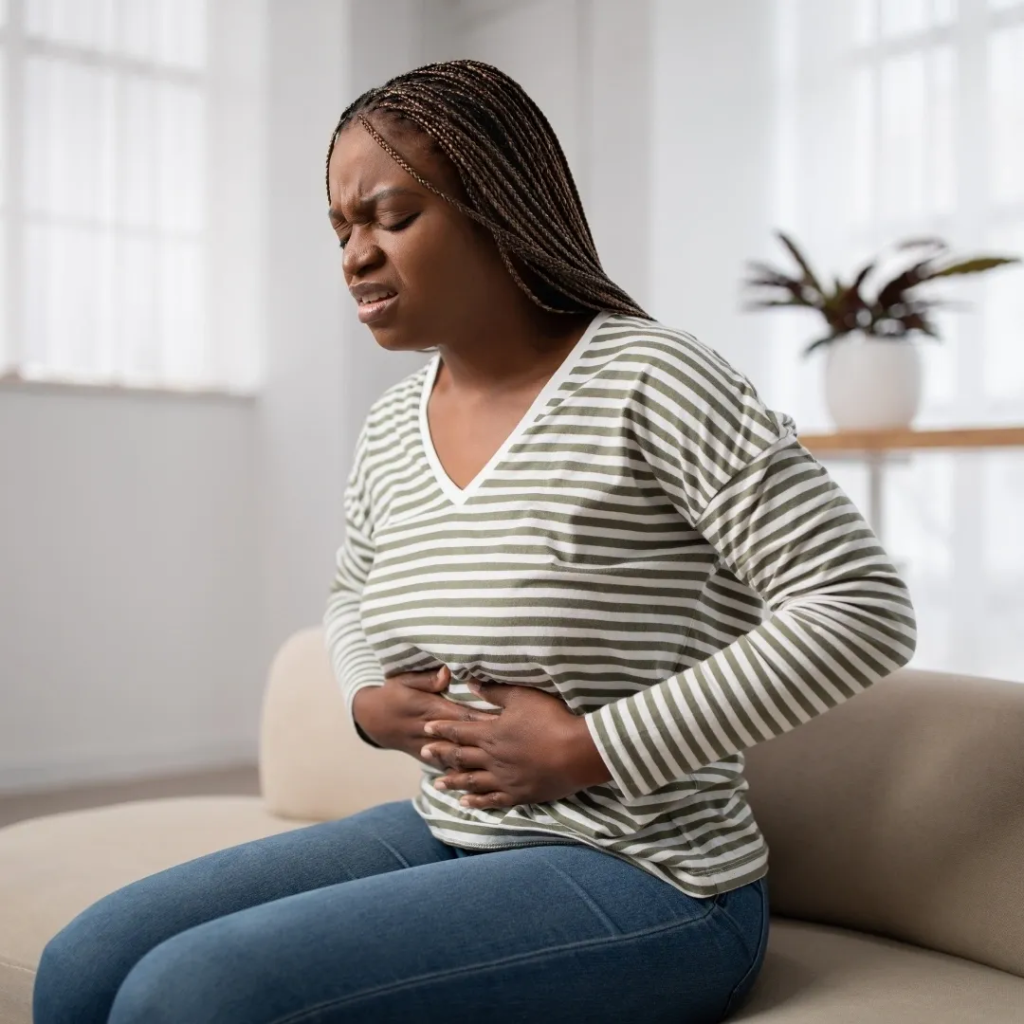
Symptoms of PCOS can vary from person to person.
Possible symptoms include:
· Irregular periods: heavy, long, intermittent, unpredictable, or absent periods. Irregular periods, usually with a lack of ovulation, can make it difficult to become pregnant. PCOS is one of the leading causes of infertility.
· Excess androgen levels: manifesting as acne or oily skin, excessive hair on the face, chest, or back, male-pattern baldness or hair thinning.
· Weight gain: especially around the belly.
· Pelvic pain
· Acanthosis Nigerians: dark patches in the neck, armpits, and groin.
· Skin tags: small growths that hang from the skin, usually in areas like the neck, armpits, and groin.
· Polycystic ovaries: An ultrasound may reveal enlarged ovaries with multiple small cysts.
Diagnosis
Polycystic ovary syndrome is diagnosed by the presence of at least two out of the following:
1. Clinical features of high androgens (an elevated blood level of testosterone, acne or oily skin, excessive hair on the face or body, male-pattern baldness or hair thinning,), after other causes for this have been ruled out;
2. Irregular or absent menstrual periods, after other causes for this have been ruled out; and
3. Polycystic ovaries on an ultrasound scan.
Social, Mental, and Economic Impact
PCOS is a common gynecological hormonal disease that has a great impact on women’s physical and mental health. It is a burden to the social and patients’ economy. Its link with ovulation and menstruation abnormalities causing infertility establishes PCOS’s significant financial burden as it requires regular hospital visits, medication, and assisted conception which can be costly. The biological effects of PCOS which include major changes in physical appearance, obesity, along menstrual irregularity are the main contributing factors that can lead to mental health challenges and social stigma. The negative impact of PCOS is often underestimated and dominates women’s lives and may lead to a risk for serious psychological disorders such as anxiety and depression.
Treatment and Management
Treatment is individualized to give the patient a better quality of life. PCOS is a chronic condition and cannot be cured. However, some symptoms can be improved through lifestyle changes, medications, and fertility treatments. Therapeutic interventions are designed to reduce insulin levels and ovarian androgen production. Anti-diabetic drugs and statins can be used to improve fertility, decrease insulin resistance, and reduce circulating androgen levels.
People who have irregular periods or excessive acne and hair growth are given medications for symptomatic relief which may include birth control medicines (contraceptive pills) that help regulate the menstrual cycle. Fertility treatments for those having trouble getting pregnant stimulate ovulation or conception (e.g., IVF). Eating a healthy diet and getting enough exercise can help reduce weight and reduce the risk of type 2 diabetes.
Laparoscopic ovarian drilling is an effective surgical intervention in which multiple perforations are created in the ovary.
Furthermore, talking to a therapist or counselor to manage the stress and emotions that come with PCOS.
Complications
The progression of disease increases the risk of reproductive issues like infertility, endometrial cancer (cancer of the inner lining of the uterus), and mental disturbances (e.g. anxiety and depression). People with PCOS are more likely to have other health conditions including hypertension, high cholesterol, type 2 diabetes (T2DM) and cardiovascular disease.
Source: Dr Luyando Moonze
Leave a Reply