

The Executive Director of the United Nations Population Fund (UNFPA) Dr. Natalia Kanem has revealed that her outfit together with the United Nations Children’s Fund(UNICEF) in a Joint Programme on Female Genital Mutilation, has developed strategies to end this harmful practice and provide care for women and girls living with its consequences.
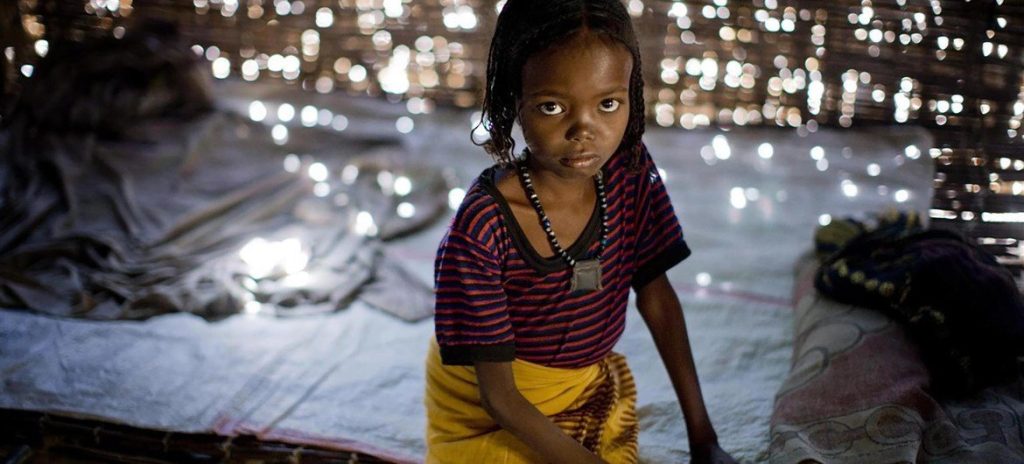
UNICEF/Holt Fatima, 7, sits on a bed in her home in Afar region, Ethiopia. She was subjected to FGM/C when she was 1 year old.
Female genital mutilation (FGM) refers to all procedures involving partial or total removal of the female external genitalia or other injury to the female genital organs for non-medical reasons.
An estimated 230 million girls and women worldwide have undergone some form of female genital mutilation (FGM) – many before the age of 15. Despite being internationally recognized as a human rights violation, FGM persists for various reasons. No matter where or how it is performed, FGM causes extreme physical and psychological harm.
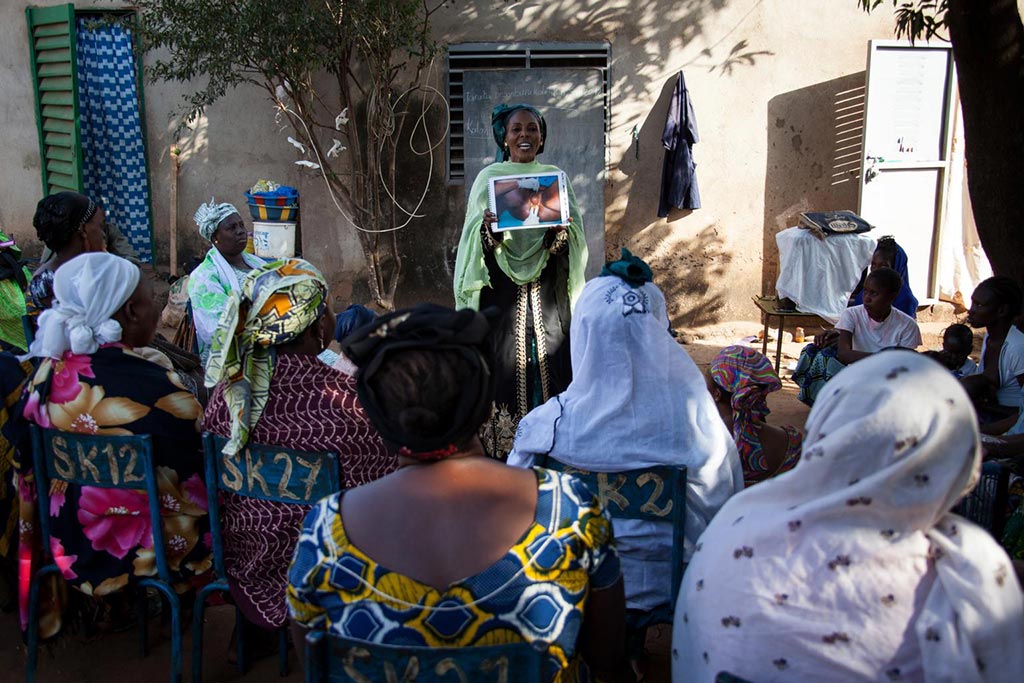
Women attend an female genital mutilation sensitization session in Bamako, Mali. The session was run by UNICEF partner and local non-governmental organization (NGO) Sini Sanuma. Photo: UNICEF/ Bindra
In an interview with Regina Jane , Editor of the New Africa Woman Magazine, Dr. Kanem elaborated futher that the programme works to develop national, human rights-based strategies that are culturally sensitive and help educate families and communities to choose to abandon the practice once and for all. “ Now in its third phase of implementation, the programme has helped more than 3.2m girls and women receive protection and care services related to FGM, she noted.
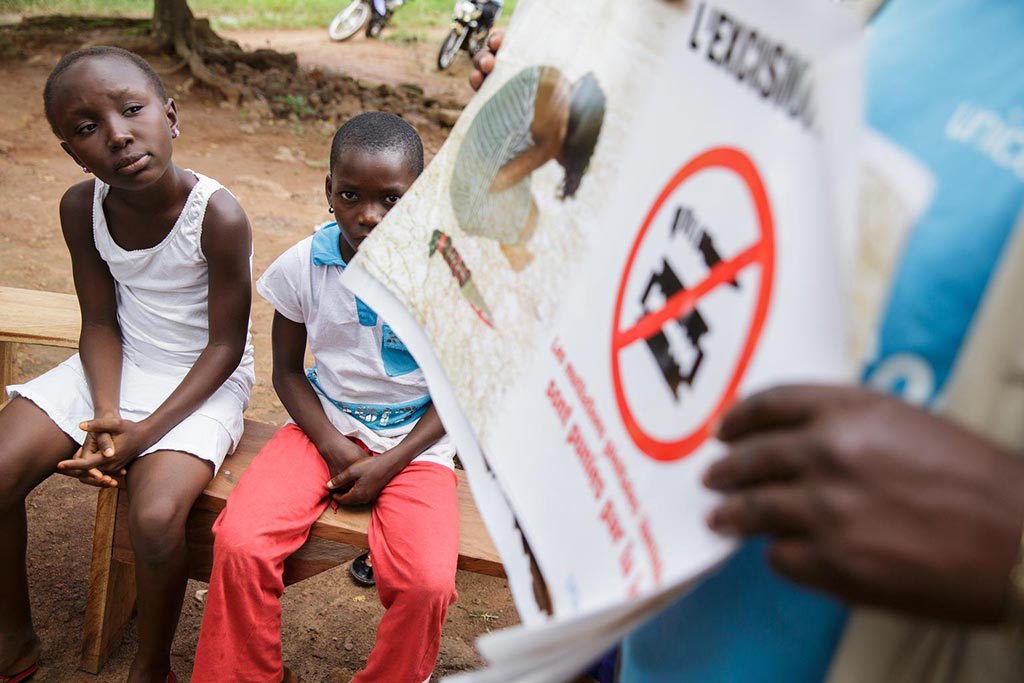
Girls in Côte d Ivoire attend a communal meeting organized by the NGO OIS Afrique, a UNICEF partner working with communities and female genital mutilation practitioners to end the harmful traditional practice. Photo: United Nations
Asked about the challenges she faces in her role as the UNFPA Executive Director, Dr. Kanem explained that “as a doctor it is sad for me to know that the leading cause of death for teenage girls worldwide is pregnancy and childbirth-related complications. She estimates that each day, approximately 800 women and girls die from pregnancy-related causes. For each of these, we also estimate that 20 to 30 additional women suffer from complications with serious consequences, such as injuries, infections, or obstetric fistula, which leave women with incontinence and can also lead to social isolation and other health disorders, Dr. Kanem reveals.
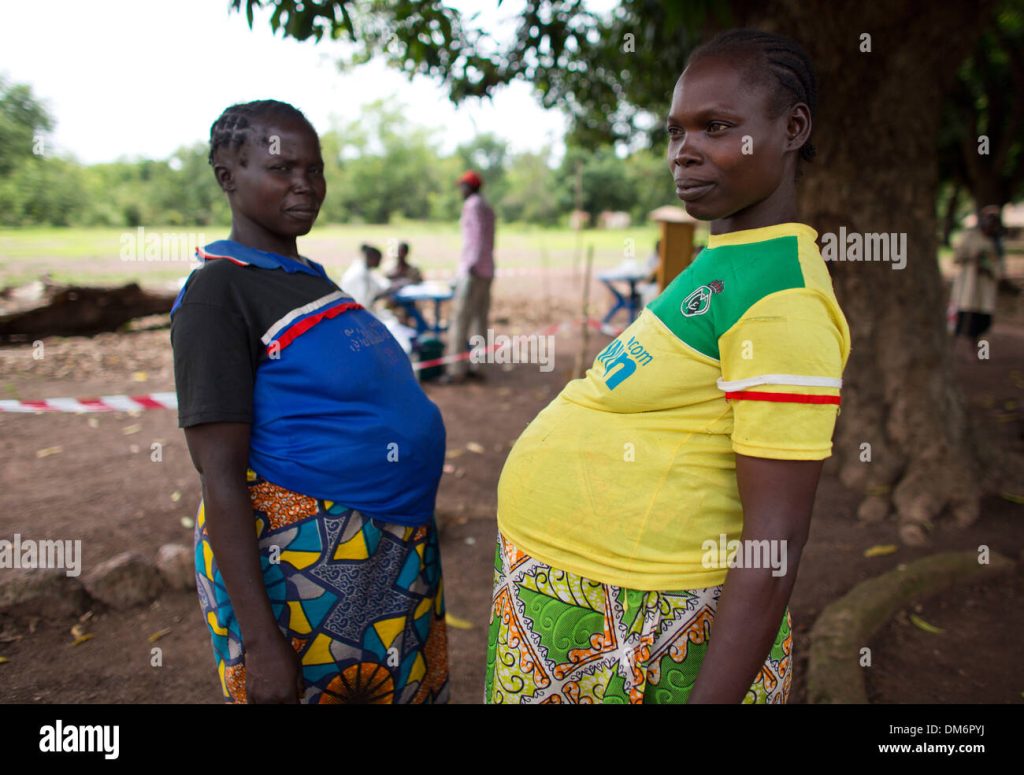
The UNFPA Boss said it is especially sad to know that many of the complications that lead to these deaths and other health issues are entirely investments adding that she keeps working to accomplish UNFPA’s three transformative goals: zero unmet need for family planning information and services, zero preventable maternal deaths, and zero sexual and gender-based violence and harmful practices against women and girls.
Responding to how the ‘war’ on inequality, for reproductive rights, against gender-based violence and harmful practices, will be won, Dr. Natalie Kanem outlines that “the most important thing that keeps me motivated is knowing we are fighting for the right things. Today, about 800 women died in childbirth. Today, in developing countries, 20,000 girls under the age of 18 gave birth. Today, tens of thousands of girls under the age of 18 were married off. Today, one in three women can expect to experience some form of physical or sexual violence in their lifetime. This needs to change, and it needs to change now.
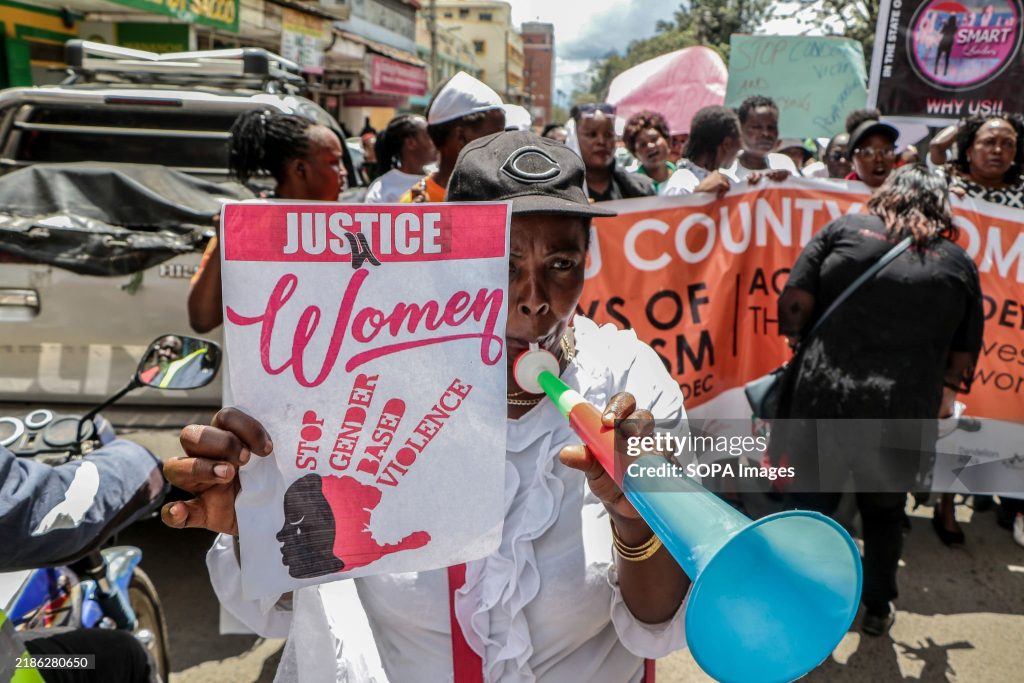
Each of these numbers tells a personal story and each one of these women or girls could have been my friend, my sister, my mother, my daughter, or me. That is what motivates me to create a better world for women and girls, no matter where they may be, she stressed.
Dr. Kanem outlined instances where her outfit has made progress in terms of issues they advocate for and whom others draw examples. We are seeing so much progress and fantastic work being done all over the world, and throughout Africa, by many different players – governments, local leaders, young people, and more.
For example, in Niger, she said UNFPA with the President and the First Lady has led to legislation that reduced child marriage, improved enrolment and retention rates of girls in school, and contraceptive prevalence for adolescent girls.
Also in Lesotho, according to Dr, Kanem large groups of young people have signed a commitment to accelerate the ICPD promise. This pledge holds them accountable for the promotion of sexual health and rights and encourages them to demand accountability from duty-bearers, she explained.
South Sudan, the UNFPA Boss noted has seen tremendous progress in the area of maternal health adding that in just 8 years, the country has grown from having the highest maternal death rate in the world and only eight midwives, to more than 700 midwives today and an increased commitment to make health and maternal care accessible for women. This work must continue until we are able to fulfill the promise that was made to the world 25 years ago by the international community at the ICPD, she stressed.
Mawuko Fiaxe Agyemang(Forshesafricanews)
Regina Jane ( New African Women Magazine)
Leave a Reply